
Why Your Sump Pump Won't Stop Running
A sump pump that runs continuously is more than just annoying — it can burn out the motor, spike your electric bill, and ultimately leave your basement unprotected when you need it most. Here are the six most common causes and how to address each one.
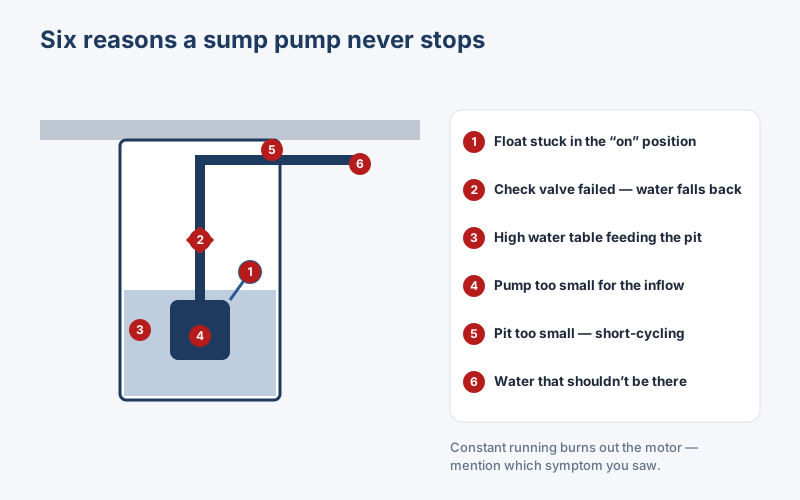
1. Stuck Float Switch
The float switch is the #1 cause of a continuously running sump pump. It works like a toilet float — rising with the water level to turn the pump on, and falling to turn it off.
What goes wrong:
- Debris or sediment jams the float in the "on" position
- The float gets wedged against the pit wall or discharge pipe
- The switch mechanism wears out over time
How to fix it:
- Reach into the pit and manually move the float up and down — it should move freely
- Remove any debris blocking its movement
- Reposition the float away from the pit walls
- If the switch is worn out, that's a plumber visit — mention what you saw when you lifted the float
2. Broken Check Valve
The check valve is a one-way valve on the discharge pipe that prevents pumped water from flowing back into the pit. When it fails, water cycles back down after each pump cycle, causing the pump to run endlessly.
Signs of a failed check valve:
- You hear water flowing back into the pit after the pump shuts off
- The pump cycles on and off rapidly (short cycling)
- Water level in the pit never seems to drop
What it means: the flapper inside the valve is cracked or stuck, so pumped water falls back and the pump re-pumps it forever. That's a plumber visit — mention that you heard water running back after each cycle.
3. High Water Table
If you live in an area with a naturally high water table, groundwater constantly seeps into the pit faster than the pump can remove it. This is common in many Chicago-area neighborhoods, particularly in low-lying areas near the Des Plaines River, the Cal-Sag Channel, and lakefront communities.
Signs:
- The pump runs frequently even during dry weather
- Basement walls feel damp or show efflorescence (white mineral deposits)
- The sump pit fills quickly after pumping
Solutions:
- Install a higher-capacity pump rated for continuous operation
- Add a second sump pump as backup
- Install a battery backup system to protect against power outages during storms
- Consider exterior waterproofing to reduce groundwater infiltration
4. Undersized Pump
If your pump is too small for the volume of water entering the pit, it will run continuously trying to keep up.
How to check:
- A standard residential sump pump should handle 2,000-3,000 gallons per hour
- If your pit fills faster than the pump can empty it, you need a bigger unit
- Measure how fast the pit fills: if it rises more than an inch per minute during rain, you likely need an upgrade
5. Clogged or Frozen Discharge Pipe
If the discharge pipe is partially blocked or frozen (a real risk during Chicago winters), water can't exit the system. The pump runs but water has nowhere to go.
Signs:
- Water level doesn't drop despite the pump running
- Unusual sounds from the pump (straining)
- Ice visible around the discharge pipe exit in winter
How to fix it:
- Check the outdoor discharge point for ice, debris, or dirt blockage
- A garden hose or warm water over a frozen section can clear a minor blockage
- If it keeps freezing or the blockage is inside, a plumber can clear the line and add a freeze guard fitting that lets water exit even if the main discharge is frozen
6. Power or Electrical Problems
Sometimes the issue isn't the pump mechanics but the electrical supply.
Check for:
- Tripped circuit breaker or blown fuse
- Loose or corroded electrical connections
- Damaged power cord
- Malfunctioning pressure switch
What to do:
- Test the outlet with another device to confirm power
- Check for GFCI tripping (sump pump outlets should ideally NOT be GFCI-protected — discuss with an electrician)
- If the motor hums but the pump doesn't work, the motor may be failing
How to Prevent Future Problems
- Test your sump pump quarterly — pour a bucket of water into the pit and verify it pumps out and shuts off
- Clean the pit annually — remove debris, gravel, and sediment
- Install a battery backup — critical for Chicago storms when power outages are common
- Replace the pump every 7-10 years — don't wait for failure
- Install a water alarm — alerts you if water rises above normal levels
When to Call a Professional
Call for professional sump pump service if:
- You've checked all the above and the pump still runs continuously
- The pump makes grinding or unusual noises
- You notice water damage or mold in your basement — an ejector pump issue can also be the culprit in below-grade bathrooms
- You need a larger pump or battery backup installed
- Your pump is more than 10 years old — or it's simply been a while: a spring and fall inspection covers the float, check valve, discharge line and battery backup
Sump pump problems? Call Plumbers 911 Chicago at 833-758-6911 for expert sump pump repair and installation throughout Chicago and surrounding suburbs.