
What's Safe to Put in Your Garbage Disposal
A garbage disposal is designed to handle small food scraps — but not everything. Knowing what's safe and what's not can save you from a costly repair or a call to the plumber.
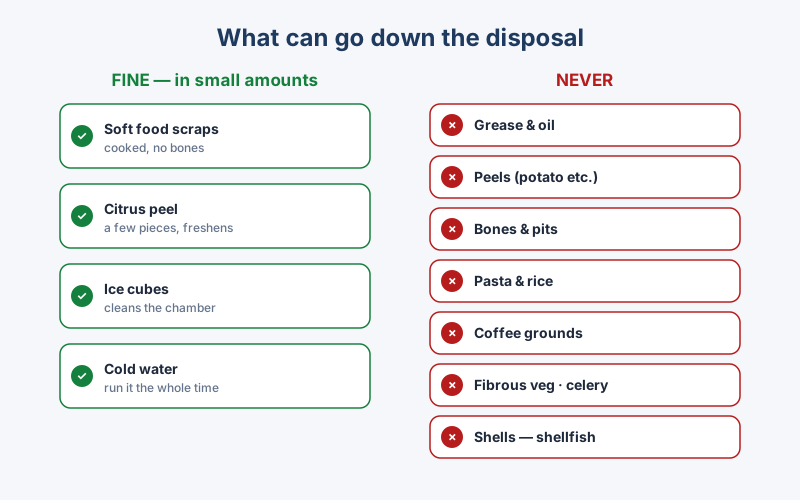
Safe for Your Garbage Disposal
Small Food Scraps
Most soft, non-fibrous food scraps are fine:
- Fruit scraps (banana peels in small pieces, apple cores)
- Cooked vegetables
- Small amounts of cooked meat
- Bread and cereal
- Soft leftovers
Citrus Fruits and Rinds
Citrus is actually good for your disposal:
- The acidity helps clean the blades and chamber
- Natural oils freshen the disposal and eliminate odors
- Cut into small pieces before feeding them in
Ice Cubes
Running ice cubes through your disposal is a maintenance trick:
- The ice helps knock off buildup from the blades
- It sharpens the grinding surfaces
- Add lemon slices with the ice for a fresh scent
- Do this once or twice a month
Soft Vegetables
Lettuce, spinach, cucumbers, and similar soft vegetables break down easily. Just remove any hard stems first.
Egg Shells (with a caveat)
Small amounts of egg shells are generally fine. However, the membrane inside can wrap around the grinder. Don't put large quantities in at once.
Do NOT Put These in Your Garbage Disposal
Grease, Oil, and Fat
This is the #1 cause of disposal and drain problems:
- Grease solidifies in pipes as it cools
- Creates stubborn clogs that are difficult to clear
- Instead: pour grease into a can, let it solidify, throw it in the trash
Fibrous Vegetables
- Celery stalks, artichokes, asparagus
- Corn husks and corn silk
- Onion skins (the thin membrane)
- These fibers wrap around the blades and jam the motor
Hard Items
- Bones (chicken, beef, pork)
- Fruit pits (peach, avocado, cherry)
- Shellfish shells
- Unpopped popcorn kernels
- These can dull or break the grinding plates
Starchy Foods
- Pasta and rice (they expand with water and create paste-like clogs)
- Potato peels (starch creates a thick, gluey mess)
- Large amounts of bread or flour
Coffee Grounds
They seem harmless going down, but coffee grounds accumulate in pipes and create dense, compacted clogs over time. (Already dealing with a slow kitchen drain? See our guide to unclogging a drain at home.)
Non-Food Items
This should go without saying, but never put these in:
- Plastic, metal, glass
- Rubber bands, twist ties
- Paper towels or napkins
- Cleaning chemicals or paint
How to Keep Your Garbage Disposal Running Smoothly
- Always run cold water while using the disposal — cold water solidifies grease so it gets chopped up rather than coating pipes
- Run the disposal regularly — even if you have nothing to grind, run it with water to prevent rust and corrosion
- Feed waste slowly — don't dump everything in at once. Feed small amounts continuously
- Run water for 15 seconds after turning off the disposal to flush all debris through
- Clean monthly with ice cubes and citrus, or use a disposal cleaning tablet
Signs Your Garbage Disposal Needs Professional Attention
- Persistent bad odor that cleaning doesn't fix
- Frequent jamming or resetting
- Leaking from the bottom (often means the seal or motor is failing)
- Humming but not spinning (jammed flywheel or burned-out motor)
- Poor drainage even when the disposal runs
If your disposal is more than 8-10 years old and having problems, replacement is usually more cost-effective than repair. Curious how the unit actually works inside? Read our garbage disposal guide.
Garbage disposal problems? Call Plumbers 911 Chicago at 833-758-6911 for expert garbage disposal installation and repair throughout Chicago.